Why should you do this course?
This course is for
Developers Who Want
to Build with AI...
 Enquire at -
9999579111
Enquire at -
9999579111

Starting from ₹ 1200/-
Key Highlights
 Complete Backend Development with Node.js
 Generative AI and LLM integration
 REST APIs, authentication and databases
 RAG pipelines and vector databases
 LangChain, LangGraph and AI agents
 8+ real-world live projects
 Docker and cloud deployment
 AI Engineer and FDE career pathway
 Certificate of Excellence/Completion
 Career and interview preparation
 Syllabus
-
Basics of Programming
Learn variables, data types, operators, conditional statements and loops. -
Functions and Scope
Understand functions, parameters, return values, scope, closures and reusable code. -
Arrays and Objects
Work with arrays, objects, destructuring, spread operators and common methods. -
Modern JavaScript
Learn ES6+ features such as modules, classes, template literals and optional chaining. -
Asynchronous JavaScript
Understand callbacks, promises, async/await and asynchronous application flow. -
Error Handling
Handle application errors using try/catch, custom errors and validation.
-
Introduction to Node.js
Understand the Node.js runtime and server-side JavaScript development. -
Node.js Architecture
Learn about the event loop, non-blocking execution and asynchronous operations. -
Core Node.js Modules
Work with file systems, paths, events, streams, buffers and HTTP modules. -
Express.js Fundamentals
Build backend applications and APIs using Express.js. -
Routing and Controllers
Organize application routes, controllers and business logic. -
Middleware
Create reusable authentication, validation, logging and error-handling middleware. -
REST API Development
Design and build scalable REST APIs following industry standards. -
API Documentation
Document and test APIs using Swagger and OpenAPI.
-
Database Fundamentals
Understand relational and non-relational database systems. -
MongoDB and Mongoose
Create schemas, models, validations and database relationships. -
PostgreSQL and SQL
Work with tables, queries, joins, indexing and relational data. -
Data Modelling
Design scalable database structures for backend applications. -
Authentication
Build secure signup, login and logout systems. -
JWT and Refresh Tokens
Implement token-based authentication and session management. -
Authorization
Create role-based and permission-based access controls. -
OAuth Integration
Add authentication through Google, GitHub and other providers. -
Backend Security
Protect applications using validation, hashing, rate limiting and secure headers.
-
Redis and Caching
Improve application performance through in-memory caching. -
Background Jobs and Queues
Handle emails, notifications and heavy tasks asynchronously. -
WebSockets
Build real-time chat, notification and live-update systems. -
Testing and Debugging
Write unit, integration and API tests for backend applications. -
Clean Architecture
Organize applications using scalable and maintainable design patterns. -
Microservices Fundamentals
Understand service-based architecture and communication between services. -
High-Level Design
Design scalable systems, APIs, databases and application workflows. -
Low-Level Design
Create reusable classes, modules and components. -
Docker and Deployment
Containerize backend applications and deploy them to cloud platforms.
-
Introduction to Generative AI
Understand AI, Machine Learning, Deep Learning and Generative AI. -
Generative Models
Explore GANs, VAEs, diffusion models and their applications. -
Neural Network Foundations
Understand how neural networks learn and generate outputs. -
Transformer Architecture
Learn how modern Large Language Models process information. -
Attention Mechanism
Understand self-attention, multi-head attention and positional encoding. -
Tokens and Embeddings
Learn how text is converted into numerical representations. -
GPT and BERT
Explore popular encoder and decoder language-model architectures. -
Pretraining and Fine-Tuning
Understand how language models are trained and customized. -
Model Selection
Choose models based on quality, latency, privacy and cost.
-
Working with LLM APIs
Connect Node.js applications with commercial and open-source language models. -
Prompt Engineering
Design prompts that generate accurate, relevant and structured outputs. -
System and User Prompts
Control model behaviour using different prompt roles. -
Structured Outputs
Generate reliable JSON and schema-based responses. -
Streaming Responses
Display AI-generated responses in real time. -
Function Calling
Allow language models to execute predefined backend functions. -
Tool Calling
Connect AI models with APIs, databases and external applications. -
Conversation Management
Store chat history and maintain contextual conversations. -
Token and Cost Management
Track token usage, latency and model expenses. -
Fallback Handling
Switch between models and handle API failures reliably.
-
Introduction to RAG
Understand how AI applications answer questions using private data. -
Document Processing
Extract content from PDFs, documents and websites. -
Chunking Strategies
Divide large documents into searchable and meaningful sections. -
Embeddings
Convert text into vectors for semantic retrieval. -
Semantic Search
Find information based on meaning rather than exact keywords. -
Hybrid Search
Combine keyword search with vector-based semantic search. -
Metadata Filtering
Filter retrieved content based on users, categories and permissions. -
Reranking
Improve the relevance of retrieved documents. -
Vector Databases
Work with FAISS, Pinecone, Qdrant, Weaviate and pgvector. -
RAG Evaluation
Measure retrieval quality, answer accuracy and hallucinations.
-
Introduction to LangChain
Understand components used to build LLM-powered applications. -
Prompt Templates and Chains
Create reusable prompts and multi-step AI workflows. -
Memory and State
Maintain conversation context and application state. -
Tools and Actions
Allow models to interact with external functions and services. -
AI Agent Architecture
Build agents that reason, select tools and complete tasks. -
LangGraph Workflows
Create controlled and stateful agent-based applications. -
Human-in-the-Loop
Add approval steps for sensitive or high-impact actions. -
Multi-Agent Systems
Build multiple specialized agents that collaborate. -
Agent Failure Handling
Manage retries, fallbacks and unexpected tool failures. -
Model Context Protocol
Connect AI models with tools and external data systems.
-
Vision-Language Models
Build applications that understand both images and text. -
Document Intelligence
Analyze resumes, invoices, forms and reports. -
Image Generation
Explore text-to-image systems such as DALL-E and Stable Diffusion. -
Audio and Speech Applications
Develop speech-to-text, transcription and voice-based systems. -
Multimodal Search
Search across text, images and documents. -
Fine-Tuning Fundamentals
Understand when model customization is required. -
Dataset Preparation
Prepare clean and domain-specific training datasets. -
LoRA and PEFT
Customize large models using efficient fine-tuning techniques. -
Open-Source LLMs
Work with customizable language models. -
RAG vs Fine-Tuning
Choose the right approach for each use case.
-
LLM Evaluation
Measure response quality, correctness and relevance. -
Hallucination Testing
Detect unsupported or inaccurate AI-generated information. -
RAG Evaluation
Evaluate retrieval quality and generated responses. -
Guardrails
Control model behaviour and response formats. -
Prompt Injection Protection
Secure AI applications against malicious instructions. -
Data Privacy
Protect confidential user and organization data. -
Observability and Tracing
Track prompts, responses, tool calls and application failures. -
Model Routing
Use different models based on task requirements. -
Cost and Latency Optimization
Reduce application expenses and improve response times. -
LLMOps
Manage prompts, models, evaluations and workflows in production.
-
Introduction to FDE
Understand the role and responsibilities of a Forward Deployed Engineer. -
Client Requirement Gathering
Identify customer problems, workflows and technical requirements. -
AI Use-Case Discovery
Find practical opportunities where AI can create business value. -
Problem Scoping
Convert broad business needs into achievable technical projects. -
Solution Architecture
Design backend, AI, data and integration workflows. -
Enterprise Integration
Connect AI applications with existing business systems. -
Prototype Development
Build and demonstrate rapid functional prototypes. -
Technical Communication
Explain technical solutions to non-technical stakeholders. -
Client Feedback and Iteration
Improve products using direct customer feedback. -
Business Impact Measurement
Measure improvements in efficiency, cost, quality and user experience. -
Capstone Projects
Build an enterprise knowledge assistant, customer-support agent, AI workflow automation platform or domain-specific AI solution.
-
Linux Fundamentals
Learn file system, navigation, essential commands, permissions and process management. -
Shell Scripting
Learn Bash variables, conditions, loops, functions and reusable automation scripts. -
Hands-on Lab
Practice Linux commands and create a basic automation script.
-
Git Fundamentals
Learn repository setup, add, commit, status, log and local version-control workflows. -
GitHub Collaboration
Learn clone, push, pull, branching, merging and pull requests for team development. -
Hands-on Lab
Build and manage a collaborative GitHub repository workflow.
-
AWS & IAM
Learn cloud concepts, AWS account setup, IAM users, roles, permissions and MFA. -
EC2 & S3
Launch EC2 instances, configure security groups, connect via SSH and host static sites on S3. -
Hands-on Lab
Deploy a web server on EC2 and host a static website using S3.
-
Docker Fundamentals
Learn containers vs virtual machines, images, containers and Dockerfile basics. -
Storage, Networking & Compose
Learn volumes, bind mounts, port mapping, networks and multi-container applications. -
Hands-on Lab
Containerize an application and deploy it with a database using Docker Compose.
-
Jenkins Fundamentals
Learn CI/CD concepts, Jenkins installation, dashboard, plugins, jobs and build triggers. -
Pipelines & Docker
Learn Jenkinsfile, declarative pipelines, stages, credentials and Docker image build/push workflows. -
Hands-on Lab
Create an automated Docker-based CI pipeline connected to GitHub.
-
Kubernetes Core
Learn architecture, kubectl, Minikube, Pods, Deployments, scaling, rolling updates and Services. -
Configuration & Storage
Learn ConfigMaps, Secrets, environment variables, Persistent Volumes and Claims. -
AWS ECR & EKS
Push images to ECR, create an EKS cluster and deploy containerized applications to AWS. -
Monitoring & End-to-End CI/CD
Learn GitHub webhooks, Jenkins + Docker + Kubernetes integration, CloudWatch, logs, Prometheus and Grafana. -
Hands-on Lab
Build a complete CI/CD pipeline, deploy to Kubernetes/EKS and monitor the application.
Career Outcomes, Powered by Coding Blocks
Our FDE pathway is aligned with evolving industry needs, helping learners build practical AI skills for real-world career opportunities.
Remote Opportunities
 Microsoft
 Google
 Adobe
Adobe
 Amazon
 Oracle
 SAP
SAP
 MongoDB
 ServiceNow
Microsoft
Google
Adobe
Amazon
Oracle
SAP
MongoDB
ServiceNow
ServiceNow
Microsoft
Google
Adobe
Amazon
Oracle
SAP
MongoDB
ServiceNow
India Opportunities
 JPMorgan Chase & Co.
 Walmart
 Morgan Stanley
 Goldman Sachs
 Flipkart
 Deloitte
 American Express
 Samsung
JPMorgan Chase & Co.
Walmart
Morgan Stanley
Goldman Sachs
Flipkart
Deloitte
American Express
Samsung
Samsung
JPMorgan Chase & Co.
Walmart
Morgan Stanley
Goldman Sachs
Flipkart
Deloitte
American Express
Samsung
Build Production-Grade Backend & AI Systems
Design, build and deploy scalable applications inspired by real-world products and business challenges.
.png)
Enterprise Knowledge-Aware Chatbot
Build an AI assistant that answers questions using company documents, PDFs, and a custom knowledge base with source-backed responses.
Domain-Specific LLM Fine-Tuning
Fine-tune an open-source language model for specialized domains such as finance, healthcare, education, or recruitment.
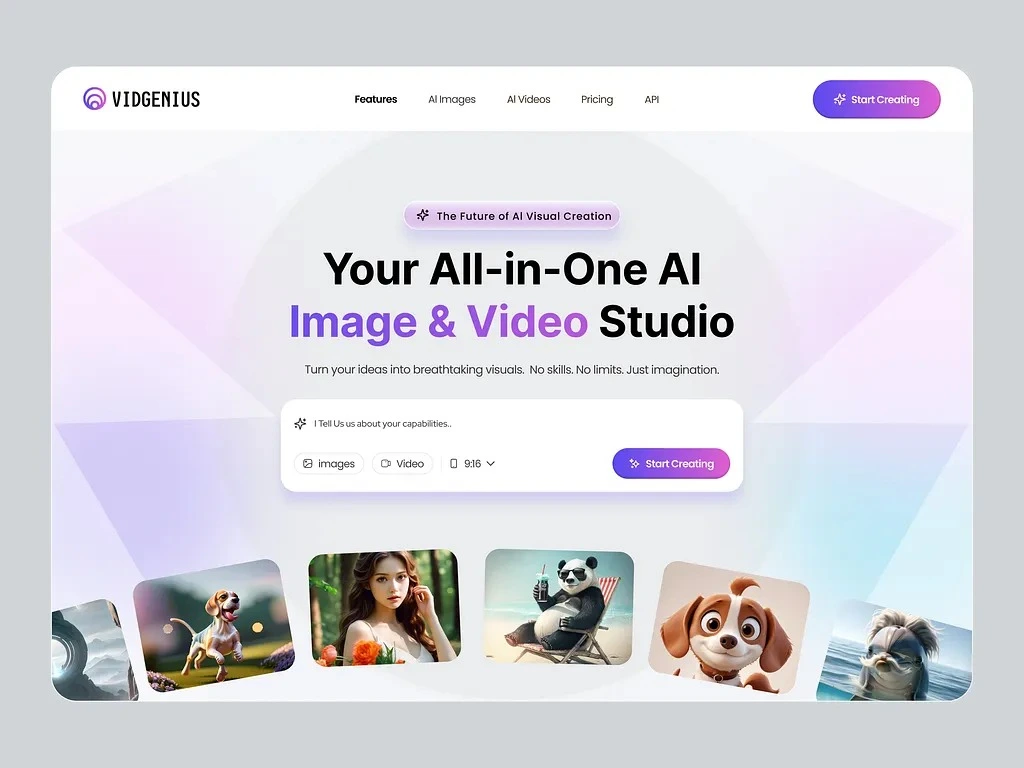
AI Image Generation Platform
Build a text-to-image application using advanced generative models such as DALL-E or Stable Diffusion.
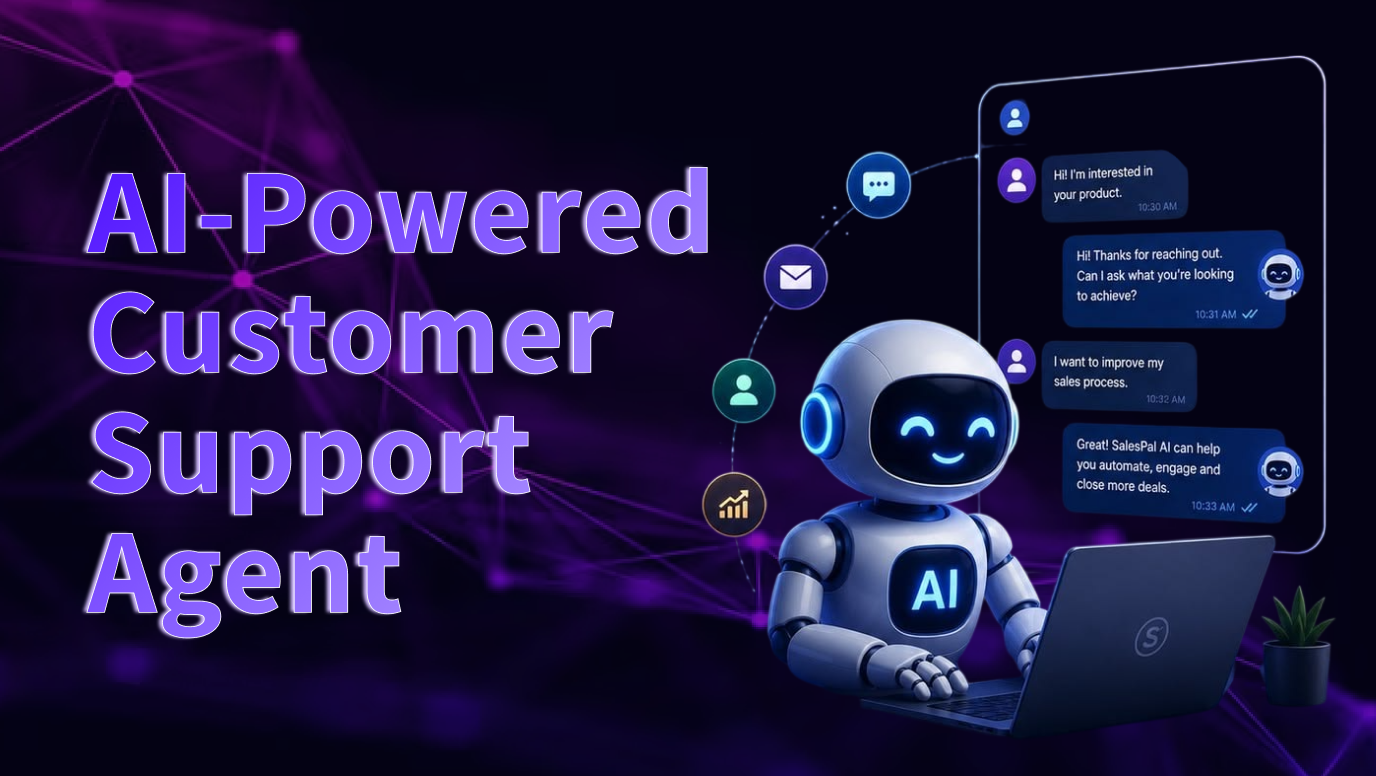
AI-Powered Customer Support Agent
Create an intelligent support agent that answers customer queries, searches a knowledge base, and performs actions using external tools.
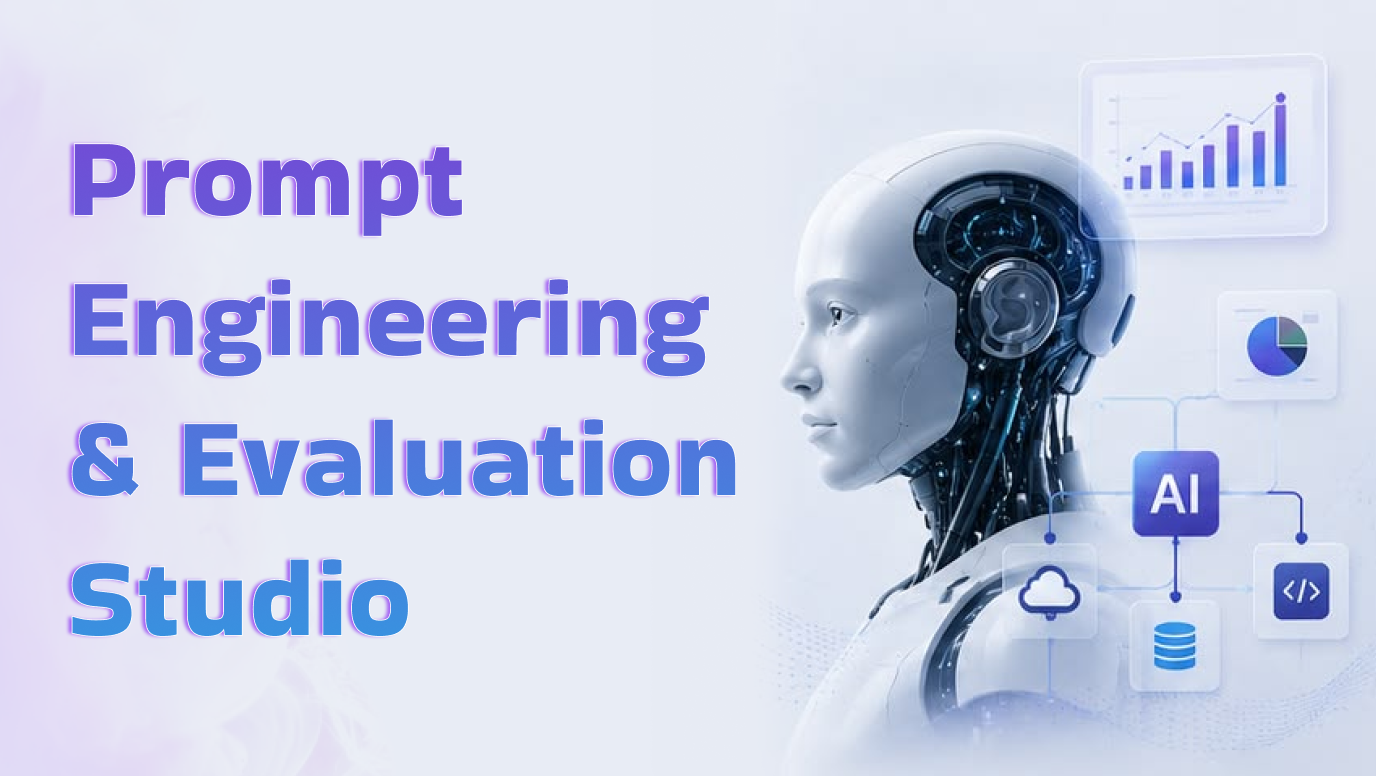
Prompt Engineering & Evaluation Studio
Develop a platform to test, compare, and optimize prompts across different AI models for accuracy, relevance, and structured outputs.
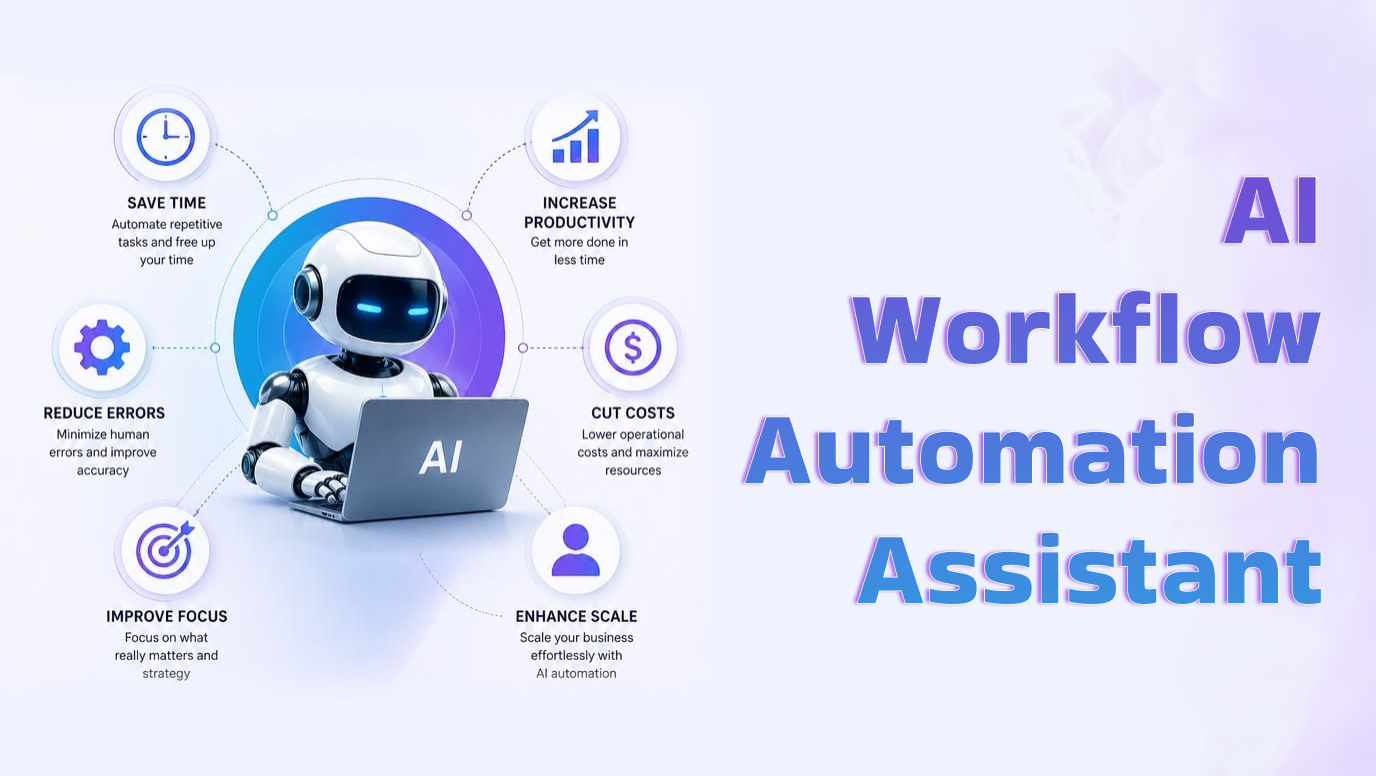
AI Workflow Automation Assistant
Build an AI agent that connects with APIs, databases, and business tools to automate multi-step workflows.
Choose Batch
 Live Batch
Live Batch
 6-8 months duration, 8+ Hands-on Projects &
Production-Ready Capstone
6-8 months duration, 8+ Hands-on Projects &
Production-Ready Capstone
 Doubt Support & Mentorship
 Placement Assistance
 Certificate of Excellence/Completion
 Backend +
GenAI + DevOps & Cloud Deployment/CI-CD
RAG, AI Agents & APIs and Career Roadmap for
AI Roles
Backend +
GenAI + DevOps & Cloud Deployment/CI-CD
RAG, AI Agents & APIs and Career Roadmap for
AI Roles
Courses
 Starts 27 Sep'26
 FDE Launchpad



This course includes
-
 8+ Hands-on Projects
-
 Backend + GenAI + DevOps
-
 RAG, AI Agents & APIs
- Cloud Deployment & CI/CD
- Production-Ready Capstone
-
 6-8 months duration
-
 Career Roadmap for AI Roles
-
Certificate of Excellence/Completion
-
 Doubt Support & Mentorship
-
 Placement Assistance
Why choose Coding Blocks
Learn and grow as a developer with our project based courses.

Superb mentors
Best in class mentors from top Tech schools and Industry favourite Techies are here to teach you.

Industry-vetted curriculum
Best in class content, aligned to the Tech industry is delivered to you to ensure you are a darling of the Tech industry.

Project based learning
Hands on learning pedagogy with live projects to cover practical knowledge over theoretical one.

Superb placements
Result oriented courses with placement across all genres, students as well as Working professionals.
Inspirational Success stories of CB Alumni
where hard work and determination meets victory!


Web Development is one of the most extensive course of coding blocks. It was a challenging and fun loving experience for me. I owe my success to my mentor and the great course.


Coding Blocks is really a good place to get you started with the field you like. I was part of the Elixir Batch.The teachers are very good ,they make sure you understand each concept clearly. Regular tasks were given that made me proficient in whatever I learnt.


I love coding blocks because it cleared all my coding concepts and made my algorithmic and logical part strong , thus helping me secure a 6 month internship at amazon. Also thankful for giving a nice understanding about other computer science topics like OS and System Design which helped a lot during the interviews. I am thankful to Coding blocks and team and i owe my success to coding blocks


I love Coding Blocks. They have wonderful Teachers. They recommended me to get coaching classes from sir. I am really thankful to sir. I joined Competitive Programming Batch in the 2017. I really become FAN of mentors after that batch. Then after that batch i joined again in 2018 in tha batch algo++. That two courses are the main reason why i get Placed in oyo as Software Developer. Thank you mentors and Coding Blocks for this wonderful Journey.


I opted for the online Web Development Course at Coding Blocks last summer. It was a very well structured course and teaching style of Arnav Bhaiya is really good. The course helped me build my basics really well and I was able to work on projects which was a major contributing factor in my internship offer..


Still in doubt? We are here to help you out!
Top placements from these programs
































Placement assistance
Coding Blocks empowers you to build skills and launch your career in Web Development. With 11+ years of excellence, 1 L+ students trained, and 150+ hiring partners, our dedicated placement team connects you to the best opportunities in the tech industry.
Resume & Profile Building
Expert guidance to craft impressive CVs and optimize LinkedIn & GitHub for recruiters
Hands-on Projects
Build industry-ready projects to showcase in your portfolio and interviews
150+ Hiring Partners
Access top companies, from FAANG to fast-growing startups and MNCs

Mock interviews
1:1 sessions with mentors from Google, Amazon, Meta, and IITs to boost confidence
Exclusive Hiring Drives
Participate in Coding Blocks hiring events and coding contests
Your Web Development career starts here.
Join Coding Blocks’s Full Stack Web Development Course and gain the skills, mentorship, and placement support to achieve your dream job.
Explore CourseLearning cycle
What an inspiration to all!
 Mentors
Coding Blocks has some of the best mentors in the Industry who will remain by your side during your Preparation for teaching, guidance and assistance.

Kartik MathurAcademics head and Founding member

Shresth SahaiInstructor and Product engineer

Your Code Buddies!
A wide network of TAs aka Teaching assistants, who are typical ex-students of Coding Blocks helps in Doubt resolution along with Mentors, through Video, Audio, Screen share and other media to ensure all your queries are addressed timely

Industry Coaches
Industry experts are guides currently working in Top companies like Google, Amazon, Microsoft and the like and they helps students with invaluable tips on the Industry, Hiring process, Mock interviews and other necessities required for paving the way into the Top Tech companies around the globe.

Tech Established Learning!
The e-learning portal is an in-house developed, state of the art application which uses the best of technology and resources to ensure all learners gain the maximum from their program. It provides immersive learning with suggestions and guidance to ensure even self learning is effective and fruitful. This portal allows learning through ebooks, videos, notes while allowing learners to attempt coding problems, MCQ assignments with attending live classes and asking doubts through chat and live video calling feature with mentors and TAs.
See what students have to say

Manali Biswas

My mentor taught a lot of concepts very well in such a short time. He also solved my doubts even after the course completion. I really loved to solve each question in the class and also those that were given as homework. This course really gave me a head start to my coding journey. I remember the day when I was just travelling somewhere when I spotted the Dwarka center. I never knew it would play such a big role in my learning process. Thanks a lot to Coding Blocks!

Simarpreet Sikka
Coding Blocks has helped me develop strong base in competitive programming. Algo++ and CP bootcamp helped me crack Tech Giant Microsoft with much ease.

Shadma Siddiqui

Coding Blocks is the best place to strengthen your concepts in programming and the course content is structured in a very proper way. Also, the environment will keep you motivated throughout. The TA support will help you whenever you are stuck. The one thing i loved the most was the way how my mentor cleared our concepts. No matter how many doubts you have they are always available to your support from online to offline. If it were'nt for Coding Blocks I would not be placed this early. Thank you CODING BLOCKS!!

Aman Bansal

I really enjoyed the environment CB provided. Not only was I intrigued by the depth of knowledge of the people at CB but I was also pushed and motivated to learn things to the same level as them. I also took the Online Competitive Coding course which certainly was the course that got me through the GS interview and Online Rounds. I can't thank my mentors enough for creating such an awesome course. I can't help but say that CB helped me raise the bar which I had set for myself when it comes to coding and learning.

Srishti Kohli

I'm extremely thankful to Coding Blocks for making competitive coding a cakewalk! My mentors were wonderful teachers and mentors. The course content is clear and complete. I will forever be grateful for the guidance.

Rajat Gupta
Coding Blocks has always helped me connect with talented people around. As a campus superhero, I have been in touch with my mentors, both of whom have never failed to guide me and my peers in achieving the best!

Mahima
My coding journey started at Coding Blocks. I was a student of Launchpad C++ course and it helped me in grabbing a great understanding of data structures and algorithms and improved my problem solving skills as well. I'd like to thank Coding Blocks for all the help and support :)

Dhruv Agarwal

If you have time for only 1 course to pick, go for interview prep. Skills acquired to time spent ratio is amazing. Thanks to my mentors and the team I was able to crack the majority of online rounds and interviews. The teaching style of them made me understand DSA effortlessly.

Anshuman Diwaker
I had an amazing time learning Data Structures and Algorithms(JAVA) at Coding Blocks. The mentorship and curriculum covered by my mentor was excellent. I would revert back to the lectures every time i needed to revise my concepts again. Concepts taught in JAVA were also very useful during my Internship. Thus it was a great learning curve for me.

Dhriti Saini

I built my foundation of Data Structures and Algorithms during the Launchpad C++ course which helped me develop interest in coding and problem solving. Thank you to the CB mentors who guided us.

Dhiraj Kumar Jain
The course made my basics very clear and the assignments and questions gave him ample practice for the interviews . I am very much thankful to my mentor for his guidance and continued support . The techniques explained my him in the course proved very much helpful to me in the interviews . I am thankful to Coding Blocks for making such a course which helped me ace in my interviews.

Anshul Mittal
Coding Blocks helped in gaining enough experience to get internships at giants like Google and Rubrik.
Frequently Asked Questions
Learn and grow as a developer with our project based courses.
-
What does a Forward Deployed Engineer actually do?
A Forward Deployed Engineer works closely with customers to understand business problems, design technical solutions, integrate AI with existing systems, and improve the product through real-world feedback until it performs reliably in production.
-
Who is eligible to join the FDE program?
The FDE program is suitable for college students, graduates, MERN developers, backend engineers, and working professionals. Basic programming knowledge is recommended, but previous experience in Generative AI or machine learning is not mandatory.
-
Do I need prior machine learning experience?
Machine learning experience is not required to begin. The program introduces essential AI concepts before covering LLMs, RAG, agents, evaluations, and deployment, allowing learners with basic programming skills to progress through the curriculum confidently.
-
How can I apply for the FDE program?
The FDE program application begins with an online form containing your contact, education, and technical background. The admissions team may then connect with you for counselling, eligibility confirmation, batch selection, and fee-related guidance.
-
Is there an entrance test for the FDE program?
The FDE program entrance process may include an eligibility review, counselling call, or short technical interaction. Any required scholarship test, interview, documents, or minimum criteria will be communicated clearly before you complete enrolment.
-
What is the FDE program fee?
The FDE program fee depends on the batch, learning mode, applicable taxes, and available offers. The admissions team will share the final payable amount, instalment options, scholarship benefits, and relevant payment deadlines before enrolment.
-
Are scholarships available for the FDE program?
The FDE program scholarships may be offered through Coding Blocks scholarship tests, merit criteria, or limited-period campaigns. Applicants should confirm the scholarship amount, eligibility conditions, required documents, acceptance deadline, and payment terms with the admissions team.
-
What is the duration of the FDE program?
The FDE program duration is six months and includes live classes, guided assignments, hands-on projects, doubt support, and capstone development. The exact weekly schedule and completion timeline will depend on the announced cohort calendar.
-
What does the FDE program syllabus include?
The FDE program syllabus covers JavaScript, Node.js, APIs, databases, system design, Generative AI, LLM integration, RAG, vector databases, LangChain, AI agents, evaluations, LLMOps, cloud deployment, and customer-focused technical problem-solving.
-
Does the FDE program include real projects?
The FDE program projects include knowledge assistants, customer-support agents, workflow automation systems, domain-specific AI applications, and a final business capstone. Each project helps learners strengthen their GitHub portfolio and practical engineering skills.
-
What are the main benefits of the FDE program?
The FDE program benefits include practical backend and GenAI skills, mentor guidance, production-focused projects, deployment experience, portfolio development, career clarity, and the ability to translate real business challenges into secure and scalable AI solutions.
-
What career roles can the FDE program prepare me for?
The FDE program career pathways include AI Engineer, GenAI Backend Developer, Applied AI Engineer, LLM Application Engineer, AI Solutions Engineer, AI Automation Engineer, and Forward Deployed Engineer roles, depending on experience and interview performance.
-
Is the FDE program available online?
The FDE program learning mode may include live online, classroom, or hybrid delivery depending on the batch. Learners should confirm class timings, location, recording access, attendance requirements, mentor support, and doubt-resolution facilities before enrolment.
-
What are the important FDE program dates?
The FDE program dates may include application deadlines, counselling windows, scholarship tests, fee-payment dates, orientation, and batch commencement. Since these vary by cohort, applicants should follow official Coding Blocks communication and register within the announced timeline.
-
Does the FDE program provide placement support?
The FDE program career support may include resume guidance, portfolio improvement, mock interviews, project presentation practice, and career-roadmap sessions. Any placement assistance, referrals, hiring opportunities, or outcome commitments should be confirmed for the selected batch.
-
How is the Coding Blocks FDE program different?
The Coding Blocks FDE program combines backend engineering, GenAI, RAG, APIs, agents, deployment, and customer problem-solving. Unlike model-focused courses, it teaches learners to create complete AI solutions for practical business workflows and production environments.
-
Who should join the Coding Blocks FDE program?
The Coding Blocks FDE program is designed for students, JavaScript learners, MERN developers, backend engineers, and software professionals who want to prepare for AI Engineer, GenAI Developer, AI Solutions Engineer, or FDE career pathways.
-
What will I learn in the Coding Blocks FDE program?
The Coding Blocks FDE program teaches Node.js, APIs, databases, LLM integration, prompt engineering, RAG, vector search, LangChain, agents, evaluations, LLMOps, deployment, solution architecture, requirement discovery, and technical communication with customers.
Become one of India's First Forward Deployed Engineer.
Master Backend, GenAI and FDE skills for the AI-first Career.
Apply Now